
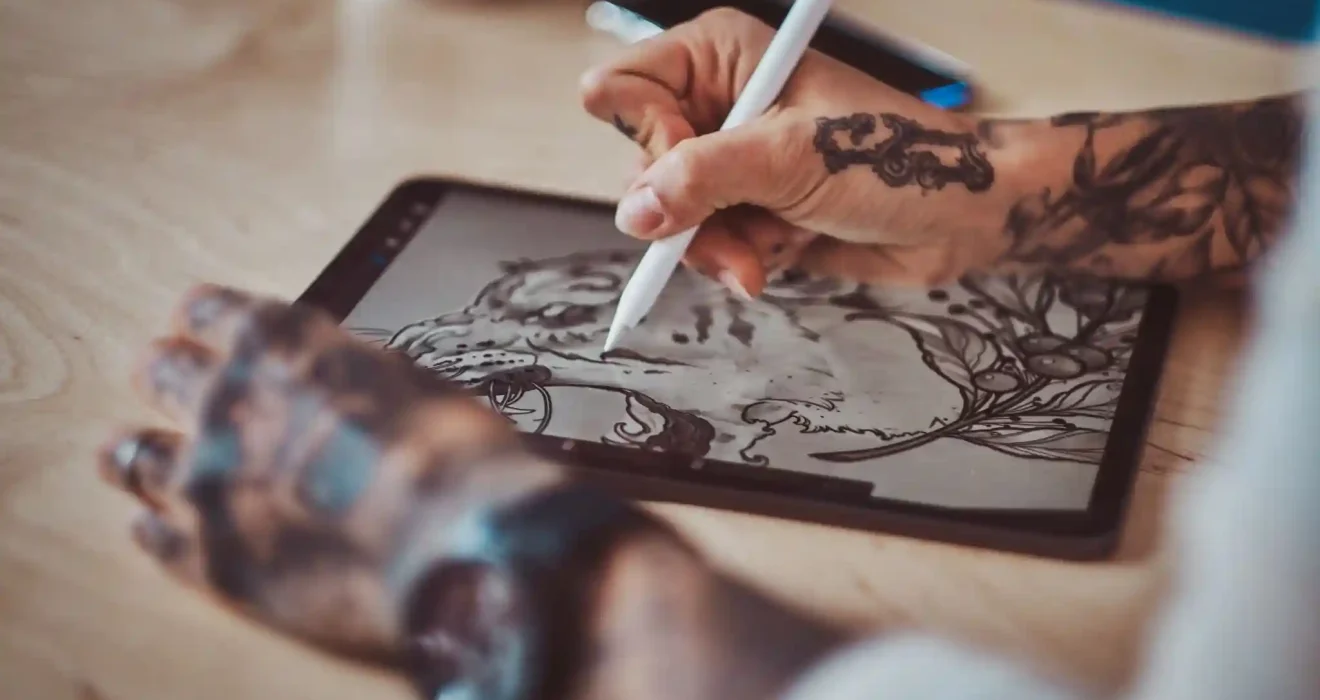
Digital Art Techniques Every Beginner Should Master
Digital art attracts many beginners because it feels flexible and modern. You can undo mistakes, experiment freely, and explore countless styles. Yet, once you actually start, frustration often follows. Lines don’t look clean. Colors feel dull. Paintings appear flat. It’s easy to think you’re doing something wrong.
In reality, most beginners struggle for the same reason. They haven’t mastered the fundamentals. Strong digital art techniques matter far more than brushes, apps, or effects. When you understand the basics, your artwork improves naturally, no matter which software you use.
This guide focuses on the most important techniques every beginner should learn. The explanations are simple, practical, and easy to apply. These are skills that build confidence and help you grow steadily without feeling overwhelmed.
What Are Digital Art Techniques?
Digital art techniques are the methods artists use to control how they draw and paint in a digital environment. They are not the same as tools. A stylus is a tool. Knowing how to use it effectively is a technique.
Many beginners jump between apps and brushes, hoping something will suddenly click. But without techniques, progress feels inconsistent. You may create one good piece, then struggle with the next.
Techniques give structure to your creativity. They help you understand how lines, shapes, colors, and light work together. Once you learn them, you can adapt to any software easily. The skill stays with you.
Focusing on techniques early saves time and prevents frustration later.
Essential Digital Art Techniques for Beginners
Some skills form the foundation of all good digital art. These techniques are especially important when you are just starting out. They support every style, from simple sketches to detailed illustrations.
-
Brush Control and Line Confidence
Line quality is one of the first things people notice in digital art. Shaky or uneven lines can make a drawing look unfinished, even if the idea is strong.
Brush control improves with slow, intentional strokes. Speed often leads to messy lines. Pressure sensitivity also plays a key role. Learning how light and heavy pressure affect your brush gives you better control over thickness and flow.
Confidence matters as much as accuracy. Confident lines feel deliberate. Even imperfect lines can look strong when drawn with intention. Over time, your hand becomes steadier, and clean lines become natural.
-
Basic Shading and Light Control
Shading gives drawings depth and form. Without it, artwork feels flat and lifeless.The first step is understanding where the light comes from. Once the light source is clear, shadows become logical. Beginners often shade randomly, which confuses the eye.Soft transitions usually work better than harsh shading. Subtle changes in value can create strong depth. Overdoing shadows can make artwork look muddy.
Learning light control early strengthens every piece you create, regardless of style.
-
Color Selection and Blending
Color is one of the most challenging areas for beginner digital art. Too many colors can make a piece look chaotic. Too few can make it boring.
Good color selection often starts with limitations. Choosing a small color palette creates harmony. You can then adjust brightness and saturation instead of adding more colors.
Blending should feel smooth and controlled. Gentle strokes work better than aggressive smudging. Not every edge needs blending. Keeping some sharp edges adds clarity and focus.
These digital painting tips help you create artwork that feels balanced and intentional.
-
Layer Management
Layers are a powerful advantage of digital art, but only when used properly. Poor layer management quickly leads to confusion.Beginners often create too many layers or forget what each one is for. This makes editing difficult later.
A simple system works best. Separate your sketch, line art, base colors, and shading. Naming layers saves time and reduces mistakes.Good layer habits keep your workflow clean and stress-free.
Digital Painting Tips to Improve Your Artwork
Digital painting feels different from traditional painting. The surface is smooth, and the feedback is indirect. This can feel uncomfortable at first, but the fundamentals remain the same.Start with large shapes before details. Blocking in basic forms helps you see the overall composition clearly. Details should come later, once the structure is solid.
Edge control is another key skill. Soft edges create depth and atmosphere. Hard edges draw attention. Knowing when to use each improves clarity.Textures should support the artwork, not dominate it. Overusing texture brushes can distract from the main subject. Simplicity often produces stronger results.
A few helpful digital painting tips to remember:
- Focus on form before detail
- Use soft and hard edges intentionally
- Keep textures subtle
These habits help beginners create cleaner and more professional-looking artwork.
Fundamental Drawing Methods for Digital Artists
Digital tools do not replace drawing fundamentals. They enhance them. Strong drawing skills make digital art easier and more enjoyable.Sketching remains essential. Rough sketches allow you to explore ideas freely without pressure. They help you plan composition, proportions, and movement.Construction lines and basic shapes provide structure. Circles, boxes, and simple forms help you build complex subjects accurately. This method improves consistency and confidence.
Traditional drawing methods translate perfectly into digital art. When you apply them digitally, your work becomes more believable and visually strong.
Common Beginner Mistakes in Digital Art
Every beginner makes mistakes. That’s part of learning. The key is recognizing patterns early.One common mistake is rushing into details without solid foundations. Another is relying on special brushes instead of developing skill. Many beginners also compare themselves to experienced artists, which leads to discouragement.
Overworking is another issue. Adding too many effects can flatten an image instead of improving it.Being aware of these mistakes helps you avoid them and progress more smoothly.
How to Practice Digital Art Techniques Effectively
Practice is most effective when it’s intentional. Drawing without focus can slow progress.Short, regular sessions work better than long, irregular ones. Even 20 minutes a day builds consistency. Repetition strengthens muscle memory and confidence.
Using references is essential. Observing real objects, photos, or artwork improves accuracy and understanding. References are tools, not shortcuts.
You can improve faster by:
- Practicing one skill at a time
- Repeating the same subject multiple times
- Reviewing your older work to track progress
Consistent practice turns beginner digital art into confident expression.
Final Thoughts on Mastering Beginner Digital Art
Digital art is a skill built over time. No one starts as an expert. Mastering the right digital art techniques makes the learning process clearer and less frustrating.Focus on fundamentals. Improve brush control. Understand light and color. Apply proven drawing methods. Be patient with yourself.
Digital tools are powerful, but skill matters more. When your foundation is strong, creativity flows naturally.
Beginner digital art is just the first step. With consistent practice and the right techniques, growth is guaranteed.