
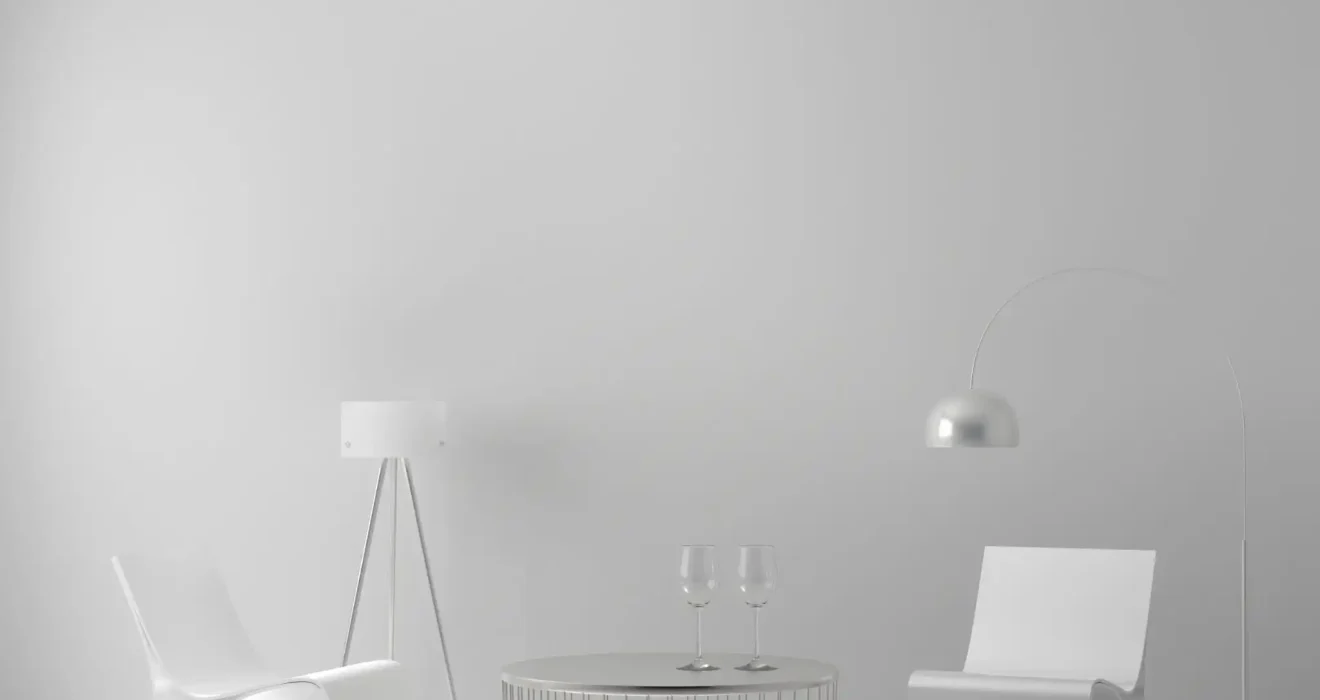
Who are the most famous designers who mastered the use of minimalist design principles?
In the world of design, minimalist design principles have emerged as a powerful and influential aesthetic. Characterized by simplicity, functionality, and a focus on essential elements, minimalist design has been embraced across various disciplines, including architecture, graphic design, fashion, and product design. In this article, we will explore some of the most famous designers who have mastered minimalist design principles, their contributions to the field, and how their work continues to inspire new generations of creatives.
Understanding Minimalist Design
What is Minimalist Design?
Minimalist design is an approach that emphasizes simplicity and the removal of excess elements. This design philosophy operates on the principle that less is more, advocating for a focus on the essential aspects of a design while eliminating unnecessary clutter. The goal is to create a clean, functional, and aesthetically pleasing environment or product.
The Principles of Minimalist Design
Several key principles define minimalist design, including:
- Simplicity: The design should be straightforward, using only essential elements to convey its message or purpose.
- Functionality: Every element should serve a specific function, contributing to the overall usability of the design.
- Clean Lines: Minimalist design often features clean, geometric lines and shapes, creating a sense of order and clarity.
- Neutral Color Palettes: Minimalist designs typically utilize neutral colors, allowing for a calm and cohesive appearance.
- Focus on Space: Negative space is used strategically to enhance the overall design, allowing elements to breathe and stand out.
These principles not only enhance the visual appeal of a design but also contribute to a sense of tranquility and organization.
The Impact of Minimalist Design
Minimalist design has had a profound impact on various fields, shaping the way we perceive and interact with our surroundings. Its influence can be seen in architecture, interior design, graphic design, fashion, and product design. The rise of minimalism aligns with contemporary values that prioritize sustainability and mindfulness, making it a relevant and enduring approach in today’s fast-paced world.
The Allure of Minimalism
The appeal of minimalist design lies in its ability to create harmony and balance. By stripping away excess and focusing on what truly matters, designers can evoke emotions and create meaningful experiences. Minimalism encourages individuals to engage with their environment thoughtfully, fostering a deeper appreciation for the spaces and objects around them.
Famous Designers Who Mastered Minimalist Design Principles
1. Ludwig Mies van der Rohe
Ludwig Mies van der Rohe, a German-American architect, is often hailed as one of the pioneers of minimalist architecture. His famous mantra, “Less is more,” encapsulates the essence of minimalist design. Mies believed in the power of simplicity and sought to create structures that were functional and aesthetically pleasing.
Notable Works: Mies van der Rohe designed iconic buildings such as the Farnsworth House and the Seagram Building. His use of open spaces, clean lines, and a minimal color palette exemplifies the principles of minimalist design.
Expert Insight: Architectural critic Paul Goldberger once stated, “Mies van der Rohe’s work is a testament to the power of simplicity.” His structures continue to inspire architects worldwide, demonstrating that minimalist design can create timeless and impactful spaces.
2. Dieter Rams
Dieter Rams, a German industrial designer, is best known for his work with Braun and his influential design philosophy, which emphasizes functionality and simplicity. Rams believes that good design should be unobtrusive, making it a perfect fit for minimalist design principles.
Notable Works: Rams designed a range of iconic products, including the SK4 record player and the 606 Universal Shelving System. His designs are characterized by clean lines, intuitive functionality, and an emphasis on user experience.
Real-Life Example: Rams’ approach to design has had a lasting impact on contemporary product design. His work inspired the design of Apple products, with many citing Rams as a significant influence on Apple’s minimalist aesthetic.
3. Tadao Ando
Tadao Ando, a Japanese architect, is renowned for his minimalist approach to architecture, which harmonizes with nature and emphasizes the beauty of simplicity. Ando’s designs often feature raw concrete, natural light, and open spaces, creating a serene and meditative atmosphere.
Notable Works: The Church of the Light and the Water Temple are prime examples of Ando’s minimalist philosophy. His use of light and space creates a profound connection between the built environment and the natural world.
Expert Insight: Ando once said, “I try to use minimal materials, but to try to make each material a very special one.” His ability to transform simple materials into extraordinary spaces showcases the power of minimalist design.
4. Kazuyo Sejima
Kazuyo Sejima, a Japanese architect and co-founder of the architectural firm SANAA, is celebrated for her innovative and minimalist designs. Sejima’s work often blurs the boundaries between interior and exterior spaces, creating a sense of openness and accessibility.
Notable Works: The Rolex Learning Center and the 21st Century Museum of Contemporary Art are notable examples of Sejima’s minimalist approach. Her designs emphasize transparency, lightness, and fluidity.
Real-Life Example: Sejima’s ability to create spaces that foster interaction and connection has earned her numerous awards, including the Pritzker Architecture Prize in 2010. Her work exemplifies how minimalist design can enhance the user experience.
5. Jasper Morrison
British designer Jasper Morrison is known for his minimalist aesthetic in product design, furniture, and lighting. His designs prioritize functionality and simplicity, often incorporating unexpected elements that enhance the user experience.
Notable Works: Morrison has designed numerous iconic products, including the Air Chair and the Supernormal collection. His work often features clean lines, neutral colors, and a focus on everyday usability.
Expert Insight: Morrison believes that good design should be unobtrusive and enhance daily life. He states, “Design should be like water; it should be adaptable and should not impose itself on the user.” This philosophy aligns perfectly with the principles of minimalist design.
6. Yves Béhar
Yves Béhar is a Swiss industrial designer and entrepreneur known for his innovative approach to product design and sustainability. Béhar’s work often combines minimalist aesthetics with a focus on social impact and user-centered design.
Notable Works: Béhar is the founder of fuseproject, a design and branding firm responsible for iconic products such as the Jawbone UP and the One Laptop per Child initiative. His designs are characterized by sleek lines, vibrant colors, and a commitment to sustainability.
Real-Life Example: Béhar’s work on the August Smart Lock exemplifies how minimalist design can enhance functionality and user experience. The lock’s sleek design and intuitive interface reflect his belief in the power of simplicity.
7. Frank Lloyd Wright
Frank Lloyd Wright, an American architect, is celebrated for his innovative designs that harmonize with nature and emphasize organic architecture. While he predates the formal definition of minimalist design, his principles align closely with minimalist ideals.
Notable Works: Wright’s iconic structures, such as Fallingwater and the Guggenheim Museum, showcase his commitment to simplicity, open spaces, and a seamless connection between the built environment and nature.
Expert Insight: Wright once said, “The mother art is architecture. Without an architecture of our own, we have no soul of our own civilization.” His work continues to inspire architects and designers, demonstrating the enduring power of minimalist design.
8. Naoto Fukasawa
Naoto Fukasawa is a Japanese industrial designer known for his ability to create products that blend seamlessly into everyday life. His minimalist designs prioritize functionality and user experience, often incorporating elements of surprise and delight.
Notable Works: Fukasawa has designed a range of products, including the Muji Wall-Mounted CD Player and the ±0 Humidifier. His designs are characterized by clean lines, simple forms, and a focus on enhancing daily routines.
Real-Life Example: Fukasawa’s approach to design emphasizes the importance of understanding user needs and behaviors. He believes that the best design is often invisible, seamlessly integrating into the user’s life.
The Influence of Minimalist Design on Contemporary Culture
Minimalism in Interior Design
The principles of minimalist design have had a profound impact on interior design, with many homeowners and designers embracing the concept of “less is more.” Minimalist interiors focus on open spaces, neutral color palettes, and functional furniture, creating tranquil environments that promote relaxation and well-being.
Real-Life Example: The popularity of Scandinavian design, characterized by its minimalist approach, has reshaped interior design trends worldwide. Brands like IKEA have capitalized on this movement, offering affordable minimalist furniture and home accessories.
Minimalism in Graphic Design
In graphic design, minimalist principles have led to the rise of clean layouts, bold typography, and a focus on essential messaging. Designers are increasingly prioritizing clarity and simplicity, allowing their work to resonate more effectively with audiences.
Expert Insight: Graphic design expert Ellen Lupton emphasizes that “minimalist design is about communicating more with less.” This approach has become essential in an age where attention spans are short, and clarity is paramount.
Minimalism in Fashion
The fashion industry has also embraced minimalist design, with many designers opting for simple silhouettes, neutral colors, and quality materials. Minimalist fashion emphasizes timelessness and versatility, encouraging consumers to invest in high-quality pieces rather than fast fashion.
Real-Life Example: Designers like Jil Sander and The Row have become synonymous with minimalist fashion, creating collections that prioritize clean lines and understated elegance.
Conclusion
The mastery of minimalist design principles is evident in the work of numerous influential designers across various disciplines. From architects like Ludwig Mies van der Rohe and Tadao Ando to product designers like Dieter Rams and Yves Béhar, these creatives have demonstrated the power of simplicity, functionality, and clarity in their work.
As we continue to navigate a world filled with complexity and noise, the principles of minimalist design offer a refreshing perspective that encourages us to focus on what truly matters. By embracing minimalism, we can create spaces, products, and experiences that resonate deeply with our needs and values.
FAQs
What is minimalist design?
Minimalist design emphasizes simplicity and functionality, focusing on essential elements while eliminating excess. It aims to create clean, aesthetically pleasing environments or products.
Who are some famous minimalist designers? Notable minimalist designers include Ludwig Mies van der Rohe, Dieter Rams, Tadao Ando, and Kazuyo Sejima, all of whom have significantly influenced various design fields.
How has minimalist design influenced contemporary culture?
Minimalist design has shaped trends in interior design, graphic design, and fashion, promoting simplicity, clarity, and functionality in everyday life.